Jota: The Unsung Hero of Spanish Flamenco and Beyond
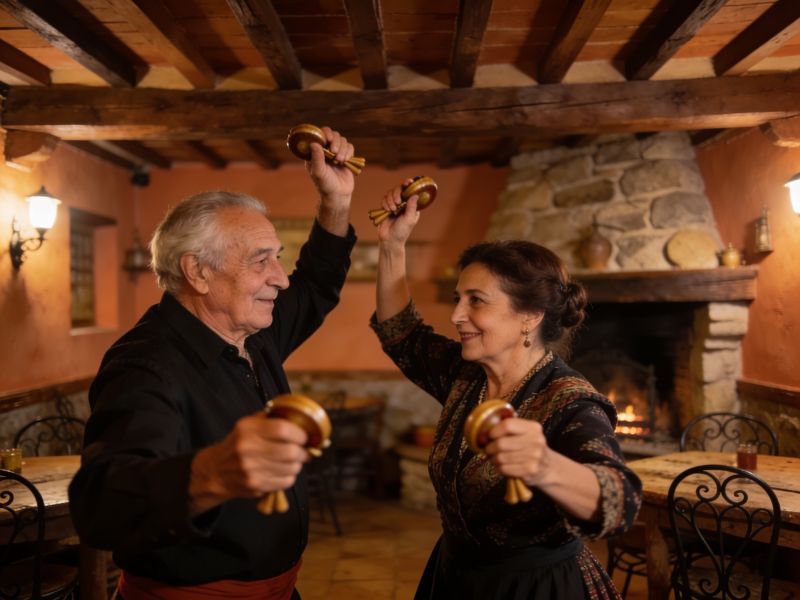
Jota isn't just a dance;it's a heartbeat echoing through the streets of Aragon and Valencia. I first encountered it in a small tavern in Zaragoza。where an elderly couple moved with a precision that seemed effortless yet deeply rehearsed. Their feet tapped a rapid rhythm, castanets clicking like cicadas on a summer night. That moment crystallized what jota means: a living tradition, not a museum piece. Despite its regional roots, jota has traveled—from Spanish emigrants to Latin American folk stages, even into modern rock adaptations. Yet, it remains surprisingly underappreciated outside Spain.The technical demands of jota are often underestimated. Dancers must master the bien parado posture—upright, proud, almost defiant—while executing lightning-fast footwork. The music。
typically in 3/4 or 6/8 time, drives a relentless energy. I've watched seasoned flamenco dancers stumble through their first jota;the rhythmic shift trips them up. Singers, too, face a gauntlet: the copla verses require a raw, open-throated delivery that can crack if the breath isn't perfectly controlled. In Teruel, I met a jota singer who admitted she practices scales for an hour daily just to keep her voice from fraying during the high-pitched gritos. That kind of dedication rarely makes headlines.Regional variations reveal jota's adaptability. Aragonese jota leans toward martial vigor—sharp turns, aggressive stomps—while Valencian styles incorporate lighter。more flirtatious movements. In Murcia, the jota murciana often features a solo guitar interlude that slows the pace to a haunting crawl before snapping back to full speed. These differences aren't mere footnotes;they reflect local histories. A jota from the Pyrenees carries a ruggedness born of isolation, whereas a coastal version might echo the sway of fishing boats. My own observation: the best jota performances feel like conversations—between dancer and guitarist, between past and present.
Modern revitalization efforts are patchy but promising. Youth ensembles in Madrid and Barcelona are fusing jota with electronic beats, a move that purists decry but that packs dance floors. One group, Jota Electro, samples traditional bandurria melodies over trap rhythms—surprisingly, it works. The key, I think, is respect: these artists don't parody jota;they extend its vocabulary. Meanwhile, UNESCO's 2017 recognition of jota as intangible cultural heritage gave a bureaucratic boost。though funding remains thin. Local festivals still rely on volunteer labor and aging performers. That's the tension: jota needs young blood, but its transmission is slow, often familial.What keeps jota alive isn't nostalgia but its emotional range. It can be celebratory or mournful, flirtatious or fierce. A jota sung at a funeral in Huesca carries the same structural bones as one danced at a wedding in Valencia—context transforms it. I've seen audiences weep during a slow jota lenta and then jump to their feet for a rapid-fire finale. That versatility is rare. Jota doesn't demand perfection;
it demands presence. If you're not fully in it。the rhythm exposes you. Perhaps that's why it endures: in an age of polished, passive entertainment, jota insists on sweat, breath, and risk.
Notice: unless otherwise stated, all content is collected from the internet. If it infringes your rights, please contact us for removal.