The First Asian Games: How a Fog-Shrouded New Delhi Stadium Launched a Continental Tradition
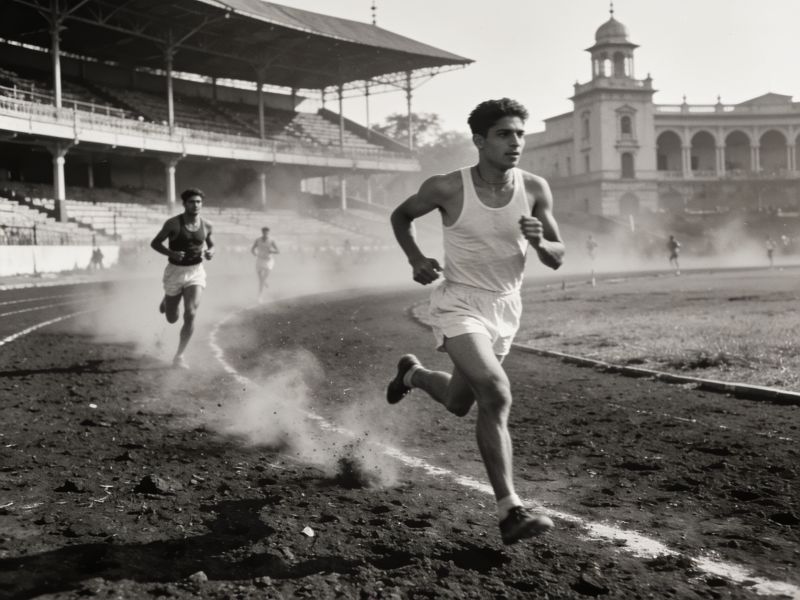
On a hazy March afternoon in 1951, a modest crowd filed into New Delhi’s National Stadium for a ceremony that almost nobody outside India had bothered to cover. No global television feeds. No corporate sponsors. Just athletes from 11 nations, a few dozen journalists, and a stubborn idea: that Asia deserved its own Olympic-style stage. The first Asian Games didn’t feel historic at the time. It felt improvised. And yet those five days of competition — 57 events across six sports — planted the seed for what is now a sprawling。multi-billion-dollar event involving 45 National Olympic Committees.I’ve spent hours digging through old newspaper clippings from that inaugural Games, and one detail keeps nagging at me: the track wasn’t even a standard rubber surface. It was a cinder track。slightly uneven, and athletes from Japan and India reportedly complained about the dust kicked up by sprinters. Japan dominated the medal table with 24 golds, a fact that stung given the wartime tensions still fresh in living memory. But watch footage of the 100-meter final and you’ll see something unexpected — Filipino sprinters and Indian distance runners congratulating each other with genuine warmth, not diplomatic coldness. The first Asian Games worked precisely because it wasn’t polished. It was rough, dusty。and human.Why New Delhi?The answer involves a mix of post-colonial ambition and practical luck. India’s first Prime Minister, Jawaharlal Nehru, saw sport as a soft-power tool before the term existed. He pushed for the Asian Games Federation to form in 1948。and New Delhi won hosting rights largely because no other Asian city could guarantee basic facilities on short notice. Bangkok was considered, but its stadium wasn’t ready. Manila withdrew. So New Delhi got the nod almost by default. That’s not a glamorous origin story — but it’s the truth. The first Asian Games happened because one country said yes when others hesitated.Sports included athletics。aquatics, basketball, cycling, football, and weightlifting. Only men competed;
women’s events didn’t appear until the 1954 Manila Games. That’s a sobering gap worth naming. Still, within the men’s competitions, something quietly radical took place: athletes from newly independent nations — Indonesia, Burma (now Myanmar), Ceylon (now Sri Lanka) — competed alongside representatives from older states like Iran and Japan. No boycotts. No walkouts. For five days, the first Asian Games offered a glimpse of regionalism built on sweat rather than treaties. I find that more impressive than any medal count.Legacy?
It’s easy to point at the 1951 Asian Games and call it a trial run. But look at the event’s DNA — rotating hosts, a charter modeled on the Olympics but with smaller budgets, an emphasis on developing sport infrastructure across Asia — and you realize the blueprint was drawn in New Delhi with very little ink and plenty of improvisation. The cinder track has since been replaced. The 11 founding nations have multiplied. What hasn’t changed is the event’s essential premise: that Asia’s athletes deserve a stage of their own, even if that stage starts with a dusty track and a half-empty stadium on a hazy spring afternoon.
Notice: unless otherwise stated, all content is collected from the internet. If it infringes your rights, please contact us for removal.